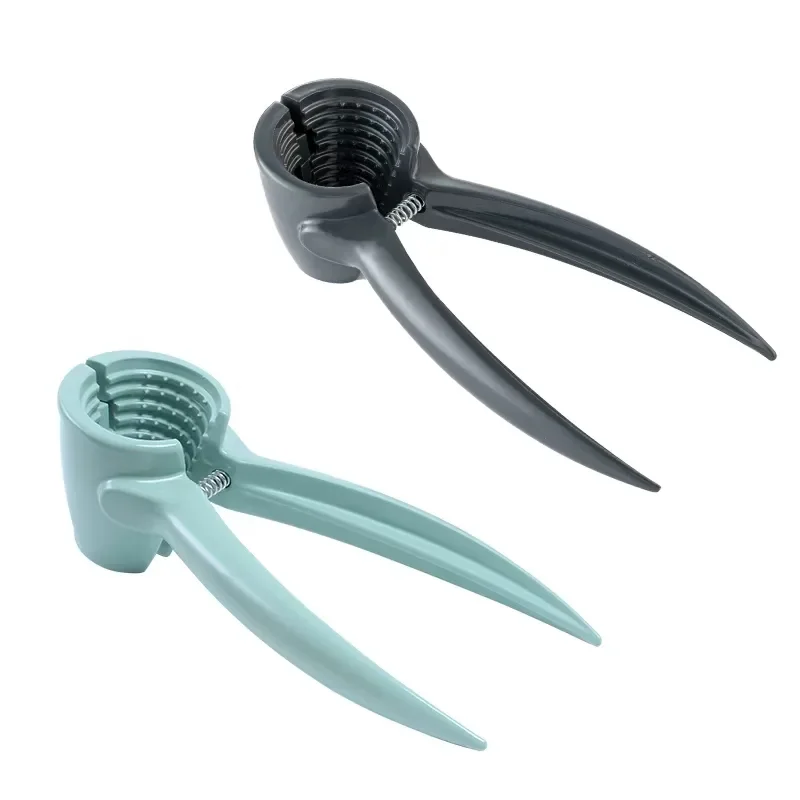
Aluminum-handle conical nutcracker
Spring-loaded · Painted
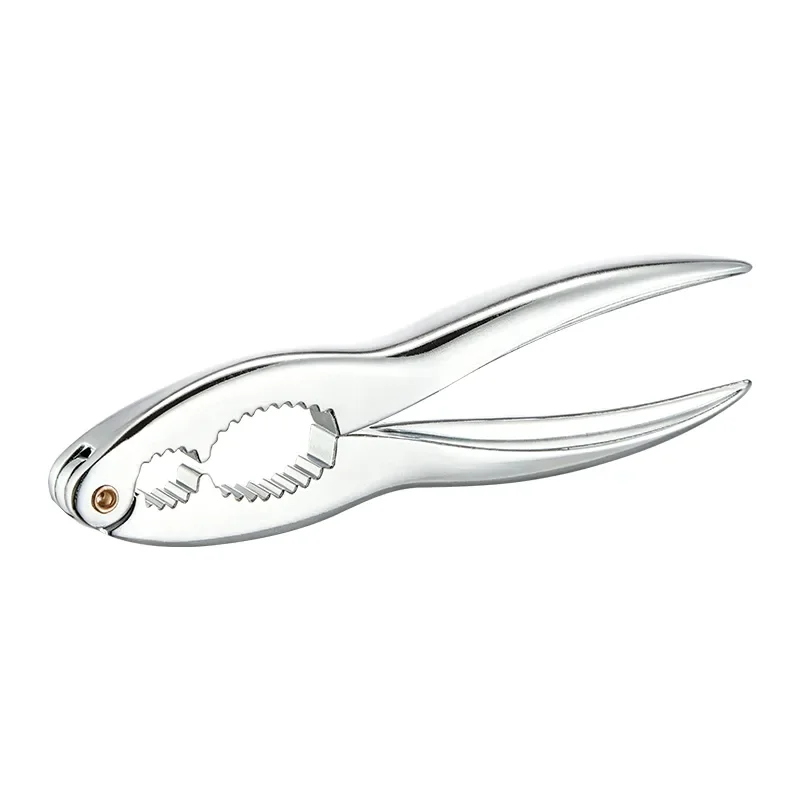
These nutcracker pliers have two gripping areas in a polished die-cast aluminum body. A larger nut and a smaller shell portion need different positions, and this layout gives the user a choice. The hinged tool is intended for suitable nuts, including walnuts and hazelnuts, as well as seafood shells.
Open the handles, place the shell in the gripping area that fits, and bring the handles together. Pressure passes through the hinged jaws to the shell. Choose one of the holes according to the piece in your hand. The shell does not need to pass through both positions. Die-cast aluminum alloy forms the body. Its polished surface gives the cracker a familiar metal appearance for a kitchen drawer or a place setting with shell-on seafood. For a manual kitchen gadget collection, the compact hinged format is easy to identify alongside other hand tools.
When selecting walnut pliers, compare where the nut sits before judging the handle style. This metal nutcracker tool has two gripping areas. Walnuts and other suitable larger nuts can go in the larger gripping area. The smaller area provides a position for smaller nuts and shell portions. Hazelnuts, crab legs and other suitable seafood shells are among the intended applications.
If your range covers both nuts and seafood, show both applications in the listing. Include a close photograph of the two gripping positions so buyers can see where each shell would sit. In a nutcracker selection, compare the hole layout as well as the metal finish. The two gripping positions explain how this model accommodates different shell sizes.
Choose the position using the actual shell in front of you. A larger nut belongs in the larger area only when it fits; a smaller or irregular piece may sit better in the other position. Shells vary in hardness as well as size. Even after choosing a position, bring the handles together gradually rather than assuming each piece needs the same pressure.
For sample selection, use the nuts and seafood shell portions intended for the range. Compare their placement in both areas before making an application list. Base the application list on those pieces. A walnut or crab leg that fits one gripping area does not establish suitability for every size of the same shell.
Bring the handles together gradually. When a shell has an irregular shape, change its position if needed before applying pressure again. With a mixture of shell sizes, move to the other gripping area when it gives the next piece a more suitable position.
Suitable crab shell sections can be cracked before serving; other suitable seafood portions can be opened during preparation or at the table. Hand washing is recommended after use. For retail instructions, show a shell resting in one gripping area, with the handles open. This shows the starting position that a photograph of the closed tool would leave out.
Leeyuen supplies this model to kitchenware brands, importers, distributors and food service suppliers. Logo and packaging customization are available through the branding and packaging service. To request a quotation, send the dual-hole model identity with the order quantity, logo artwork and packaging requirements. Add the intended nuts or seafood shells. This gives the selection discussion a specific starting point and helps keep the two-hole model separate from other crackers in a mixed order.
No. They provide different gripping positions. Choose the area that fits the nut or shell portion you are opening.
Yes, for suitable crab legs and other seafood shell portions. Shell size and hardness vary, so apply pressure gradually and reposition irregular pieces when needed.
The die-cast aluminum alloy body has a polished metal surface. Hand washing is recommended after use.
Spring-loaded · Painted
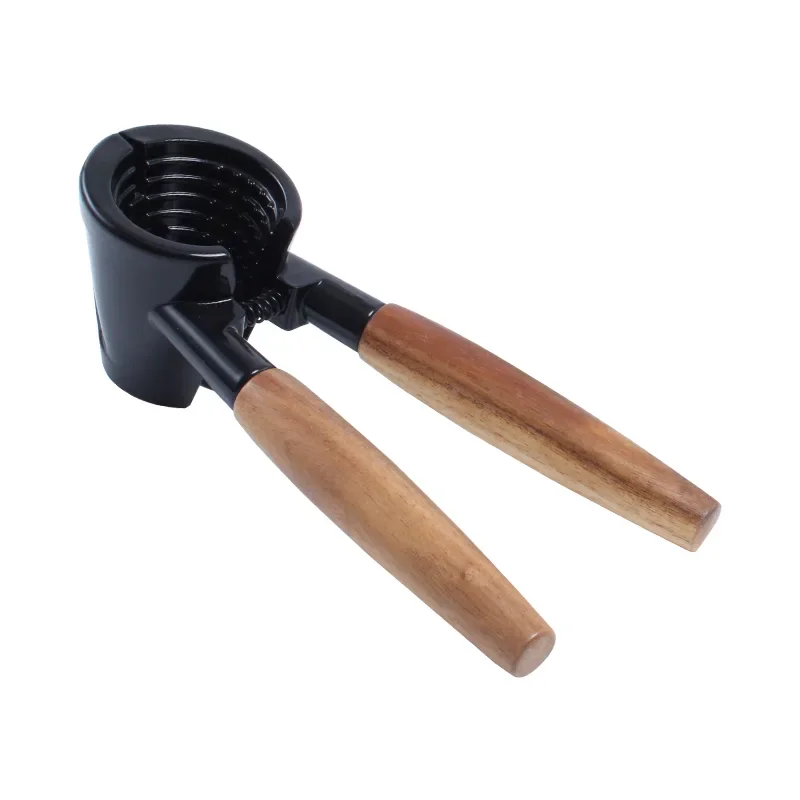
Spring-loaded · Painted body
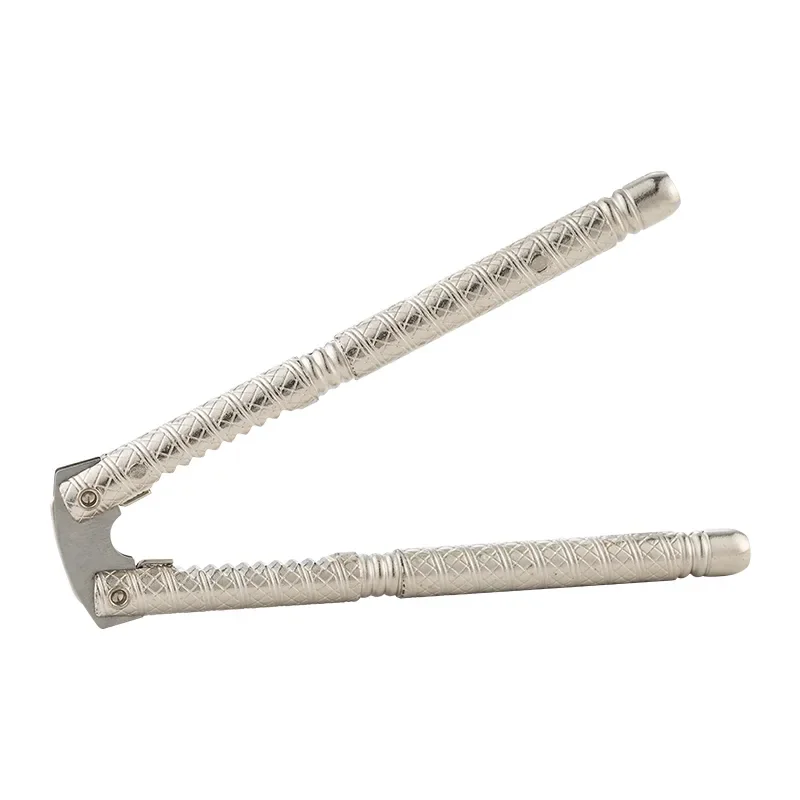
Single gripping section · Electroplated
Choose the tools, list the quantities, and tell us about your logo and packaging requirements.